



Entering a premium franchise category requires careful thought, strategic planning, and an understanding of what separates high-investment models from lower-cost options. Premium franchises typically demand more capital upfront, but they also offer powerful infrastructure, expansive support systems, and significant long-term earning potential.
For many driven entrepreneurs willing to take on a larger commitment, these opportunities can produce meaningful financial and professional rewards.
In this guide, we explore what makes premium franchises attractive, what large investments can yield, and the factors every entrepreneur should evaluate before making a commitment. Along the way, we also outline the unique advantages of a franchise model built on professional-grade tools and equipment, deep market reach, and more than a century of operational history.
Understanding High-Investment Franchises
High-investment franchises stand out in the marketplace for several defining characteristics, most notably their elevated brand strength, operational sophistication, and market longevity. These franchises typically operate in industries with enduring demand, where customer reliance creates stable economic conditions, even during periods of economic uncertainty.
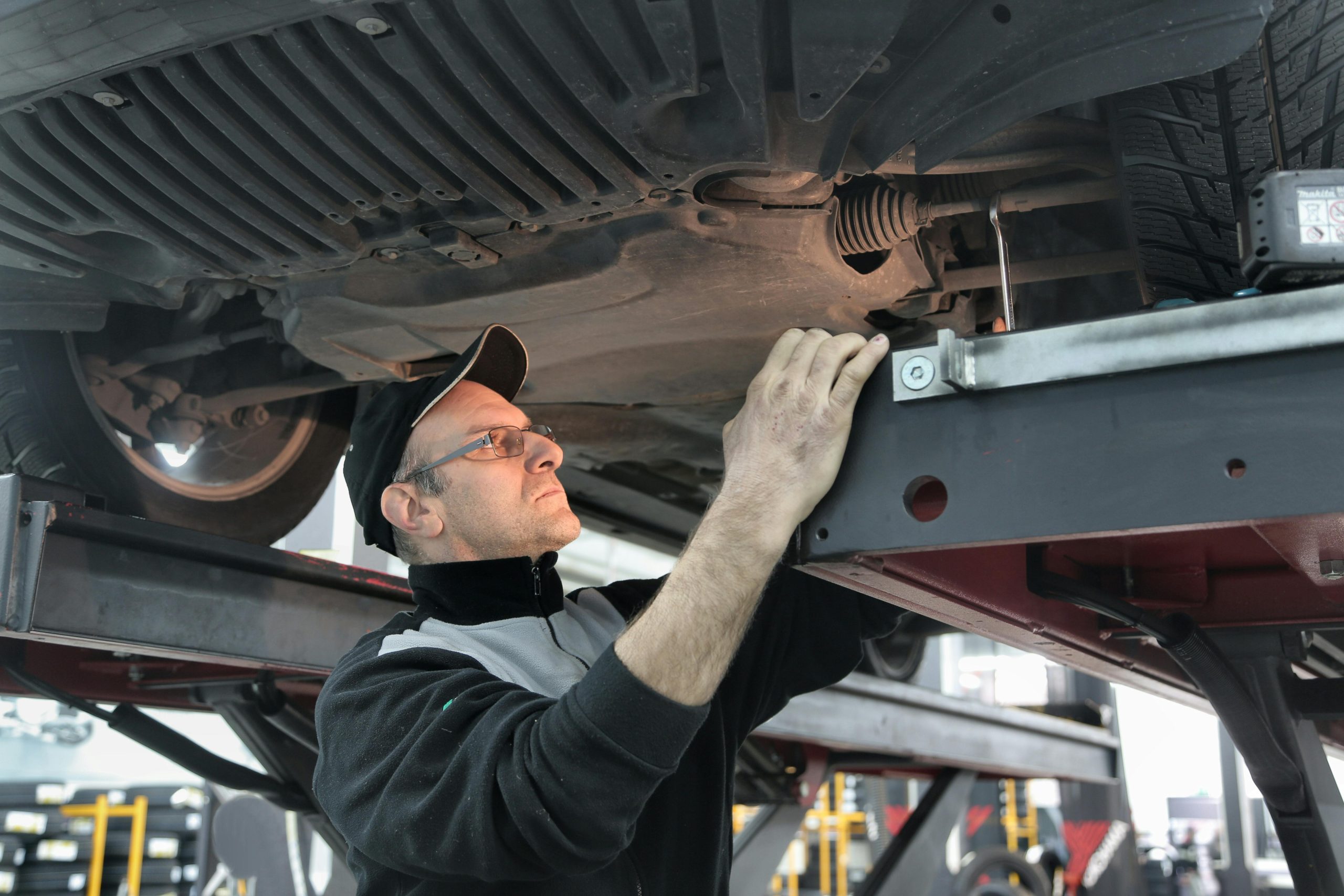
Markets like automotive and heavy-duty truck repair are examples of sectors where professionals require high-quality tools and equipment to perform their jobs, supporting consistent, recurring business interactions. Premium franchises frequently have:
- Strong brand presence that contributes to customer trust and recognition.
- Advanced operational systems, from inventory processes to mobile showroom infrastructure.
- Industry longevity backed by decades of proven market stability.
Because high-investment franchises operate on larger business frameworks, they also tend to have higher barriers to entry. This can include greater startup costs, more complex systems to manage, and a higher level of daily responsibility. However, the trade-off is a model that has already been proven viable across many markets and economic cycles.
What Large Investments Can Yield
The most compelling benefit of a high-investment franchise is the potential for performance. These franchises typically reward commitment with strong infrastructure, established customer demand, and the backing of an iconic industry name.
In some models—particularly those tied to tools and equipment distribution in the automotive and heavy-duty truck repair space—brand heritage offers a powerful edge. When a franchise has been serving technicians for more than a century, the brand equity passed down to new dealers is significant. Large investments can yield:
- Greater brand recognition that accelerates customer trust and purchase behavior.
- Access to established training, operational tools, and extensive ongoing support.
- Opportunities for faster scalability within a defined geographic territory.
- Higher earning potential thanks to durable product demand and industry necessity.
- Competitive advantages are not typically found in lower-investment franchise models.
Additionally, some premium franchises offer a geographic territory model with substantial potential for customer expansion. Although territories are assigned geographically and are not legally exclusive, the size and definition of each territory generally give dealers room to grow, add new stops, and build a larger customer base over time. As with any franchise, success depends on the dealer’s effort, discipline, and consistency, but the framework supports meaningful earning potential.
Factors That Influence Returns
Returns in a premium franchise do not happen automatically—they are shaped by a combination of market dynamics, personal drive, and operational performance. Entrepreneurs who understand the franchise expectations before entering the agreement tend to be more successful in the long run. Key factors influencing returns include:
- Industry demand and long-term market stability.
- The dealer’s commitment, discipline, and daily execution.
- Strong territory demographics and customer density.
- Strict adherence to brand systems, operational standards, and best practices.
For franchises centered around mobile showrooms, route consistency also plays a significant role. Dealers must be present at customer locations when expected. Reliability is essential, as professional technicians rely on their weekly visits to acquire tools and equipment, request specialized items, or handle repairs and replacements under lifetime guarantees.
Risks and Considerations Before Investing
As with any premium investment, there are risks. High-investment franchises come with long-term financial obligations, operational responsibilities, and significant time commitments. New dealers should be aware that the early years often require long days, consistent scheduling, and a firm dedication to route management, stocking, and administrative duties. While the work is rewarding for self-starters who thrive on independence and relationship-building, it does not align with expectations of flexible hours or reduced workloads.
It’s critical for prospective franchisees to research all elements of the opportunity, including historical performance, franchisee satisfaction, average revenue potential, and long-term viability. Understanding how territories function, how dealer support works, and what a typical workweek looks like is essential.
Prospective owners should also understand that geographic territories, while defined, are not exclusive. Occasional encroachment may occur, and dealers must communicate proactively with franchisor support teams to resolve issues. Success ultimately depends on daily consistency, reliable customer engagement, and a willingness to put in the time required to build and maintain strong relationships.
The Value of a Premium Tools-and-Equipment Franchise
Why an Automotive Tool Franchise Section Matters
In a sector shaped by long-term demand, a premium franchise connected to automotive tool distribution offers a powerful competitive advantage. Professional technicians depend on specialized tools and equipment for every job, making this industry more stable and less trend-dependent than many consumer-focused franchise categories.
This type of franchise model also provides structured training, weekly support from district managers, and a relationship-driven approach that allows franchised dealers to build reliable customer networks.
Take Charge Of Your Destiny
Premium franchise opportunities deliver strong potential benefits—but only when investors understand the commitment involved and the systems that support long-term performance. High-investment franchises come with expanded training, durable product demand, and a well-established brand presence, giving entrepreneurs a strategic path toward meaningful earnings and scalable growth.
The right premium franchise also allows new dealers to work within a structured geographic territory, build consistent customer relationships, and operate within an industry known for its stability. Whether you pursue a model tied to professional automotive tool distribution or another high-investment sector, evaluating your goals, understanding the operational realities, and aligning with a strong franchisor can position you for lasting success.
Note: Sponsored Post